Add a video
Western
Dies Irae Ridge Equine:
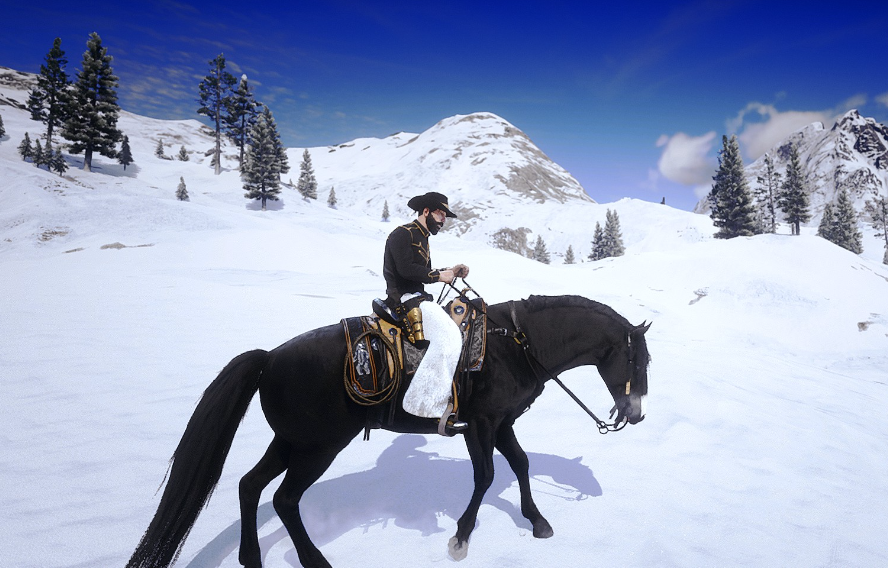
Western pleasure within DIRE is defined by restraint, consistency, and quiet precision. Horse and rider are expected to move with minimal effort, maintaining a steady rhythm and a composed, relaxed presence throughout.
The ideal performance appears effortless. Transitions are smooth, movement is controlled, and nothing is exaggerated or forced. Each gait should remain steady and deliberate, with no disruption to balance or flow.
What is valued is not speed or excess, but the ability to maintain composure and refinement without visible strain.
GAITS & CONSISTENCY | 10 points
Riders must maintain the correct gait at all times. Movement should remain steady, controlled, and consistent without unnecessary variation in speed.
Jog must be maintained at trot 2
Canter must be maintained at canter 1
Breaking gait or inconsistent speed will result in deductions.
PACE & CONTROL | 10 points
All gaits should be performed at a slow, controlled pace appropriate for western pleasure.
Excessive speed, rushing, or visible correction will not be rewarded.
TRANSITIONS | 10 points
Transitions between gaits should be smooth, quiet, and immediate.
Delayed responses or abrupt changes will result in deductions.
SELF-CARRIAGE & COMPOSURE | 10 points
Horse and rider should appear relaxed, balanced, and in control at all times.
The round should look effortless, with minimal visible correction or tension.
Breed Standard/Non-Standard | 10pts
The competition will state if it is a breed standard. Please review your horse’s breeding and height by referencing google (or BirdLady’s amazing breed standard list). For breed standard, it is highly recommended to follow all criteria in order to achieve full points. For non-standard, these points will not be included.
Arena Expectations
Riders are expected to respond promptly to all calls.
Failure to maintain the correct gait or follow instructions may result in penalties or removal from the class.
Overtaking & Arena Position
Variations in speed may occur due to differences in horse stats or size. Riders are expected to manage this without disrupting the flow of the rail.
When overtaking another rider, you must move to the inside of the arena to pass, then return to the rail once clear. Passing on the rail or cutting off another rider is not permitted.
All overtakes should be executed smoothly and with awareness. Disruption, crowding, or interference with another rider’s line will result in deductions.
Slow is correct. Faster is not better.
Horse Tack:
— Saddle: Western saddle in black or dark brown
— Bridle: Western, suggested #1, 3-4, 6 as options
— Blanket: Western style. Should remain clean and minimally styled; subtle accents permitted
— Stirrups: Standard western stirrups, if leather, these should match your saddle and bridle
— Breastplate: optional, must match saddle & bridle color
Rider Attire:
— Hat: Required, must be clean and shaped appropriately (no sombrero, predator, or other fancy hats)
— Shirt: Western show shirt/blouse, fitted and polished. Should accentuate the saddle/horse
— Pants: Western riding pants or jeans, clean and properly fitted (no holes)
— Chaps: optional, recommended for traditional presentation
— Boots: Western style, colored to accentuate tack and horse
— Gloves: optional, neutral or coordinated tones
— Hair: No loose, crazy hair. Should not distract from the presentation
In order to creat the effect of a horse with a lowered head, follow these steps:
Press the V button until you are in first person
Look down at your horse’s withers (as far down as you can with the horse centered
Hit T and type /settings. Hit enter
In settings, select “entity”
Go to stamina, input 20
Select Entity Stamina, the horse’s head should then drop